
If you have ever chased a rolling prize pool at a club in Hobart, you know the pull of a pokies progressive jackpot slots machine. The numbers climb with every wager across the network, and that shared pot is what check here keeps people watching the screen. I have spent more than a decade in iGaming lotteries, and the same patience applies here: the mathematics of a growing pool are straightforward, even when the theme on the glass is pure fantasy. This guide walks through the questions worth asking before you commit your weekly entertainment budget.
For many players, the attraction lies in the possibility of landing a life-changing win with just a single spin. While classic machines offer steady payouts, modern video slots often deliver more engaging themes and bigger potential rewards. You can explore these features and see how they compare by visiting the buffalo game page at https://buffalo-slot-au.com/.
What These Machines Actually Do
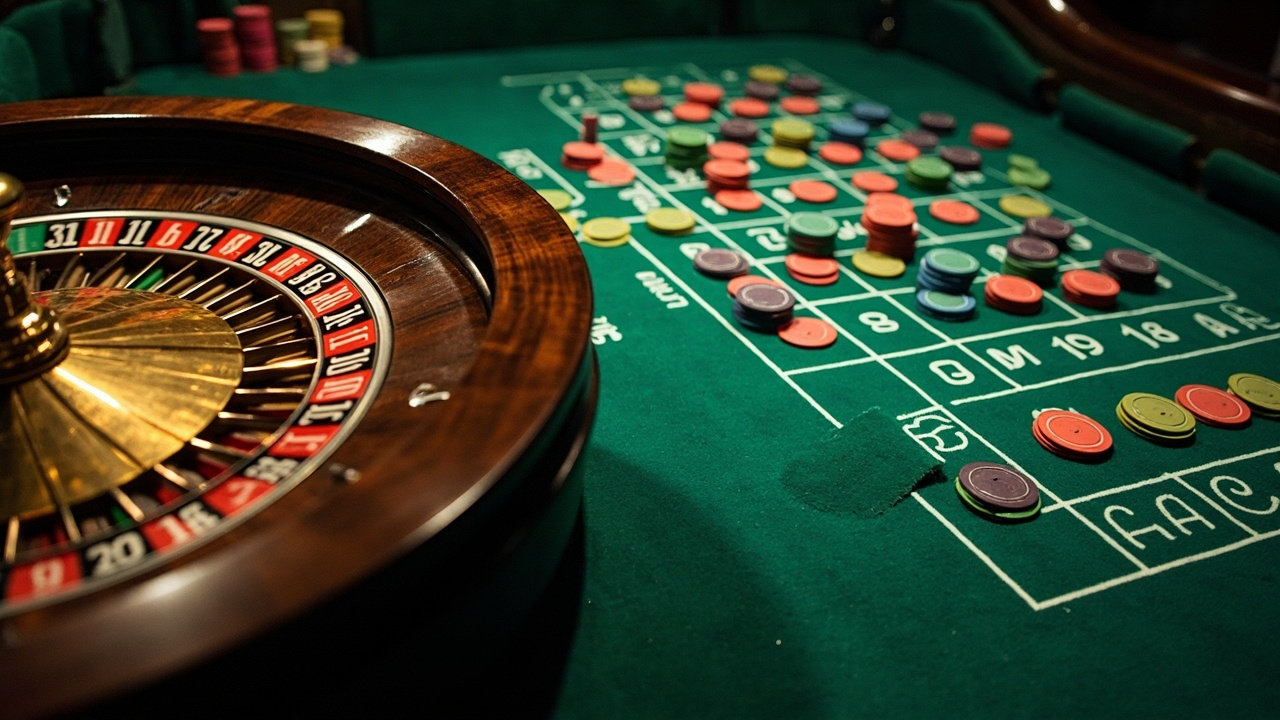
A networked progressive pool works by taking a small fraction of each bet and adding it to a common prize meter. The pool keeps climbing until one player hits the required combination, then it resets to a base amount and starts climbing again. That is the core mechanic, and it is the same across most reputable offerings in the market. You will usually see a few distinguishing traits: a visible meter showing the current pot, a separate base game that pays out normally, and a trigger condition that is often harder to reach than a standard win. Everyday usability is generally solid, with clear paytables and a displayed contribution rate, but the real fit depends on whether you are comfortable with a lower hit frequency in exchange for a larger ceiling. I have seen domain investors treat these pools like long-hold assets, watching the meter grow over months rather than minutes, and that mindset is useful here too.
Questions Worth Weighing Before You Play
How the Pool Grows and What You Actually See
The first thing to check is how the meter is built. Some titles feed the jackpot from a fixed percentage of every spin, while others only contribute when you bet max lines or a minimum coin value. The on-screen display matters because a live meter that updates in real time gives you a clearer sense of pace than a static figure that only refreshes between sessions. In practice, I reckon the most honest machines are the ones that show both the current pool and the seed amount, so you can see how far the prize has climbed since the last reset. That transparency is the difference between an informed session and a guess.
Bet Size, Trigger Conditions and the Real Cost Per Spin
The second question is about your actual spend. A progressive award usually requires a specific bet level to be eligible, and that minimum can be higher than the base game suggests. If the trigger needs a special symbol, a bonus wheel, or a random drop, the cost per spin climbs quickly when you are trying to cover every line. I have reviewed affiliate funnels where the advertised headline prize sat far above the realistic contribution rate, and the smarter read is always to work out your average session cost before you chase the meter. Play at a level you can sustain for the time you want to spend, not the level that simply qualifies you for the pool.
Where the Odds Sit Compared With a Standard Spin
The third question is the one most players skip. A progressive title is not a better bet just because the number on the screen is large. The underlying return-to-player profile still matters, and a huge pool can sit on top of a game that pays out less often than a flat-top machine. From a marketing perspective, I have always treated these pools as a separate product line, because the audience is chasing a rare event rather than a steady return. If you want a sense of how these pools are discussed across different markets, you can read this piece on Bet Online Progressive Slots With A Smarter Spinago Review, which looks at how the same mechanics are positioned in other regions.

Is This the Right Fit for Your Session
A progressive pool suits a player who is comfortable setting a firm limit and treating the jackpot as a rare bonus rather than the main event. It is less suited to someone who wants frequent small wins or who plans to chase the meter until it is gone. The everyday fit comes down to pace: if you like watching a number climb and you are happy to accept longer gaps between meaningful payouts, the format can be entertaining. If you prefer a steadier rhythm, a standard title usually matches your session better. I have spent years building affiliate growth around lotteries, and the same rule holds: the product only works when the player’s expectations match the actual frequency of the prize.
When you are comparing options, keep these points in mind:
- Check the minimum bet that actually qualifies for the pool.
- Look for a live meter that shows the current total and the seed amount.
- Read the trigger condition, not just the headline prize.
- Decide your session limit before you start, and treat any jackpot as a rare outcome.
Keeping the Session Grounded
The Australian scene is a bit different from what you see overseas. In the United Kingdom and parts of Europe, networked progressives are often bundled into broader online offerings with clearer contribution disclosures, while New Zealand clubs run their own local pools with tighter machine counts. In the United States, multi-state progressives can climb into life-changing figures because the player base is so large, but the same scale is not something Australian operators can replicate under our local rules. Here, the pools are smaller and the networks are narrower, so the headline number should always be read alongside the actual contribution rate. That is the comparison worth making before you decide a pool is worth your time.
If you want to see how a themed title fits into this style of play, the buffalo game is a decent example of a networked pool with a clear display and a defined trigger. It is not a shortcut to a win, and it is not a reason to stretch your budget, but it shows how a well-presented pool can keep a session readable. Play within the limits you set, watch the meter for what it is, and treat any jackpot as a rare event rather than a plan.
In practice, the appeal lies in how the interface organizes the action rather than promising a sudden payout. Players who value a clean layout often find that such displays make it easier to track progress across multiple lines. For a closer look at how that structure carries over to other networked formats, the breakdown on slot network pacing offers a useful comparison.